AI curriculum · Learning design · Research · Books

When machines can answer, what must children learn to question?

I design AI and STEM lessons that get students thinking out loud, not just clicking “next”. I’ve built K–12 curriculum, trained teachers, worked with EdTech product teams, made learning games, written books and (deep breath) I’m doing a PhD. It all comes back to one question: how do children use clever technology without forgetting to question it?

Research in progress. Ideas brewing. Learning that starts with a better question.

Shahistha Tabbasum, seated, in a cream suit and gold headscarf
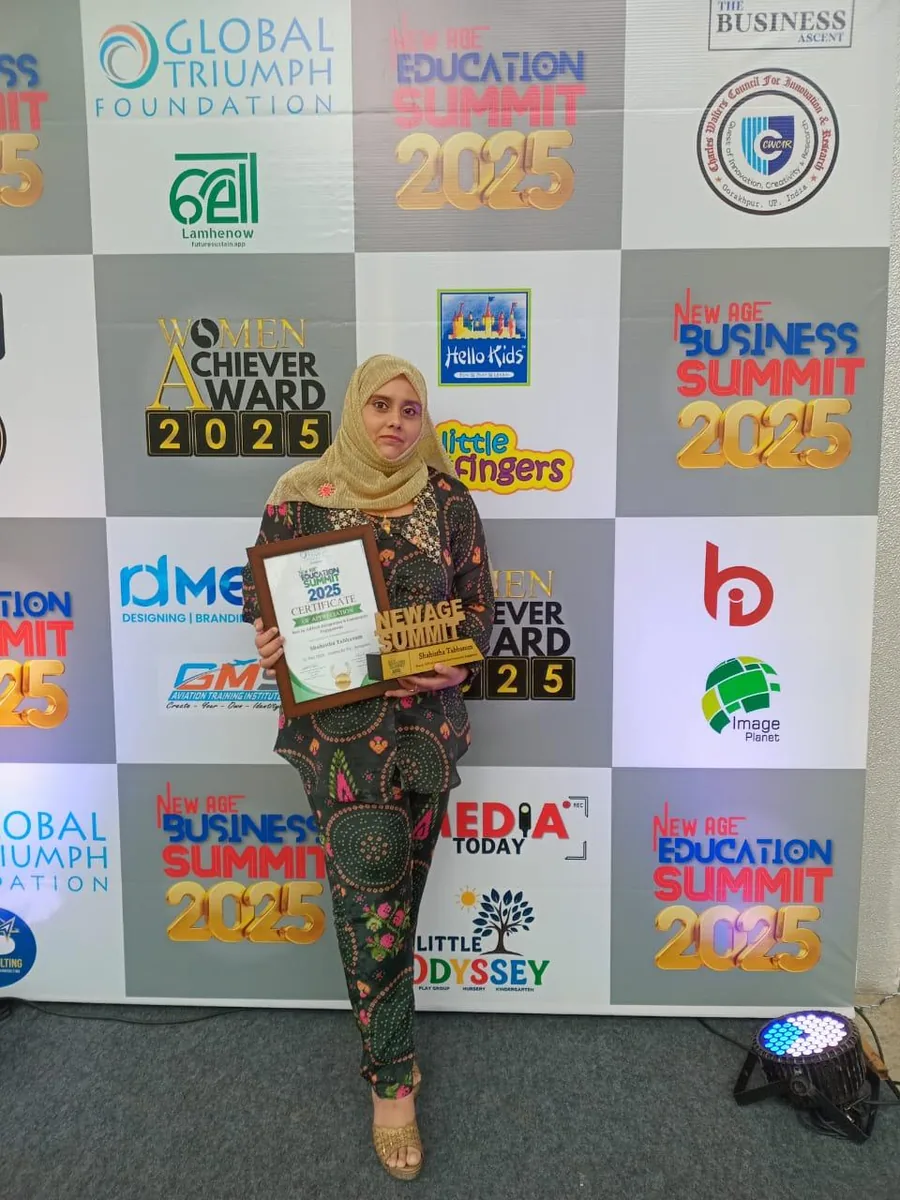
Shahistha Tabbasum holding her award and certificate at the New Age Education Summit 2025
At the New Age Education Summit 2025.

Where the questions come from

Classrooms in India, Qatar and the UAE, plus online lessons for learners in the US.

EdTech Integration & Author Award, GTF India’s New Age Education Summit 2025.

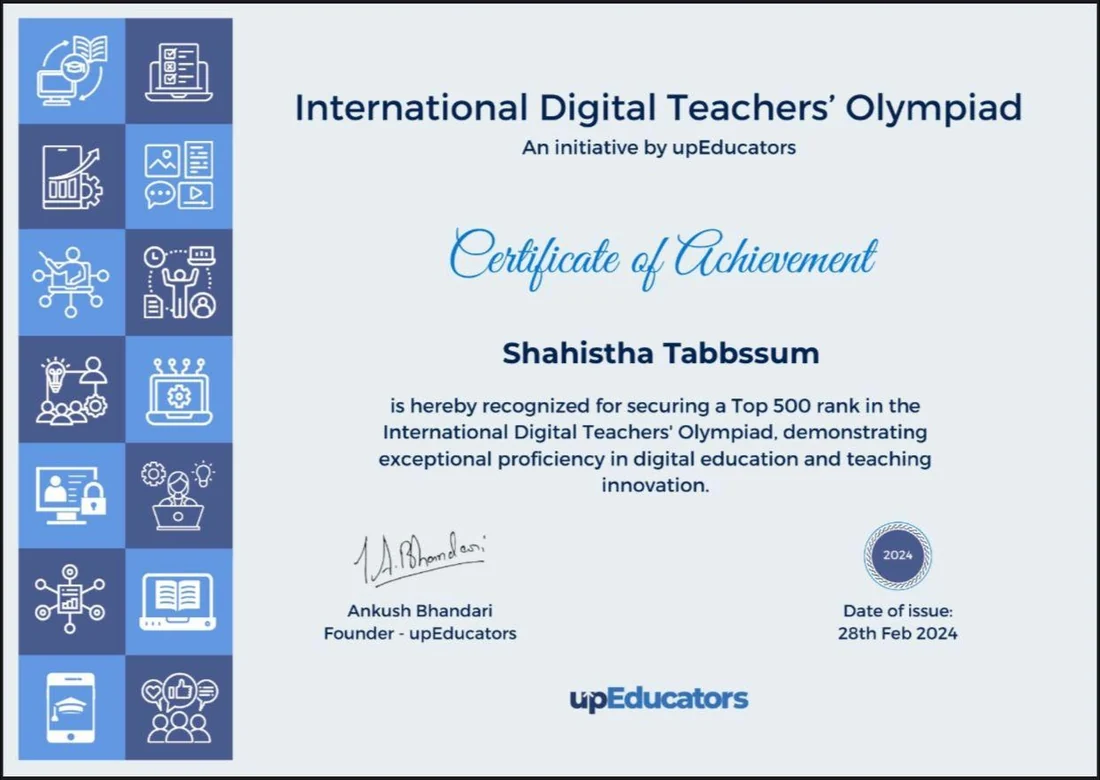
Top 500, International Digital Teachers Olympiad 2024.

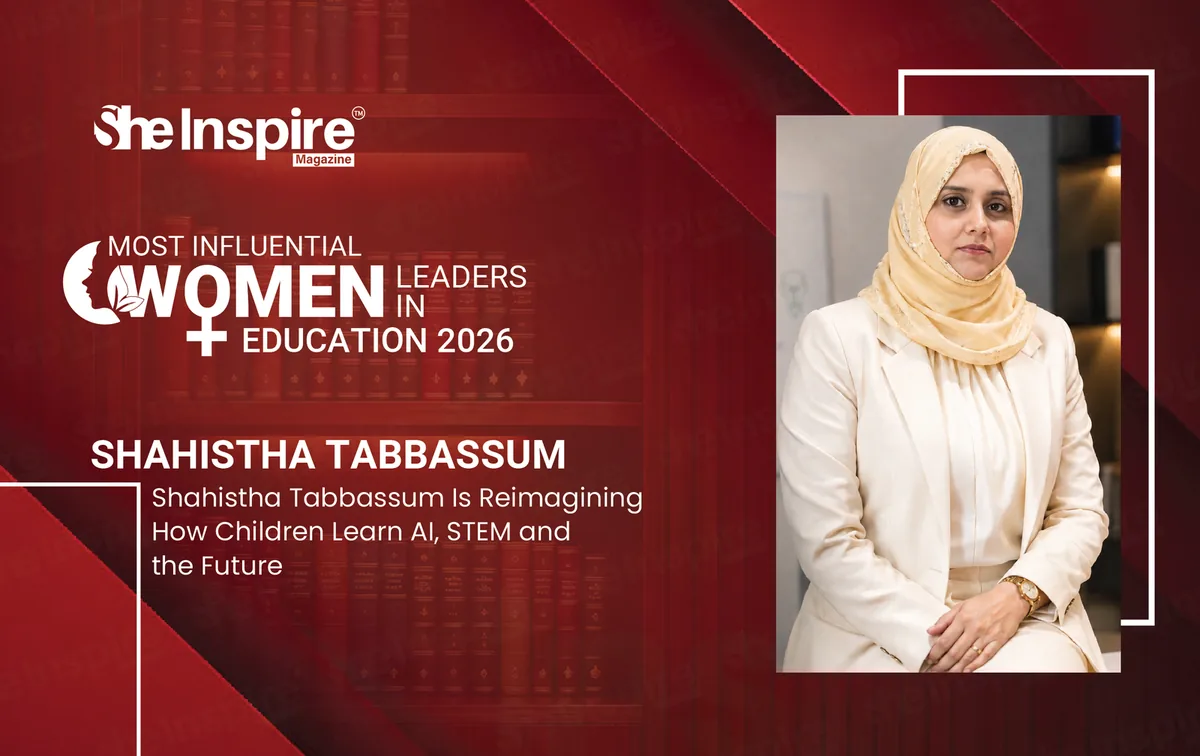
Featured in She Inspire Magazine’s Most Influential Women Leaders in Education 2026.

Shahistha Tabbasum receiving the EdTech Integration & Author Award on stage in 2025
Certificate of Achievement: Top 500 rank, International Digital Teachers’ Olympiad, February 2024

Featured

She Inspire Magazine: Most Influential Women Leaders in Education 2026

“In a world shaped by technology and innovation, education must empower children not only to adapt to the future, but to create it.”

A right answer can still hide a wrong idea.

A child can build a robot without knowing how it works. They can write code that runs and have no idea why. They can ask AI a question and take the answer on trust.

I care about what happens after the task is “done”: the reasoning, the doubts, the little lightbulb moments. That’s the part of learning I design for.

One big question. Four ways in.

Research

What if students got comfortable with “I’m not sure yet”?

My PhD looks at Quantum-Inspired Pedagogy and how it could work in K–12 STEM, AI and robotics classrooms. It’s about flexible thinking, seeing connections, and learning to work with uncertainty instead of panicking about it.

Q-STEM and curriculum

How do we get students past just following the steps?

In my curriculum work and the Q-STEM Framework (still a proposal, still being tested), I use open questions to turn AI, coding, maths and robotics lessons from “follow the instructions” into “let’s find out”.

Books and writing

How do you make big ideas fun for young minds?

From REWIRED to story workbooks for children, I write to make technology, STEM and asking questions feel less scary and a lot more fun.

Portfolio, with the receipts

What does good learning design look like in real life?

Curriculum ideas, assessment frameworks, teaching prototypes and evaluation plans. Each case study shows the problem, the choices I made, what evidence exists and what still needs testing. No made-up results, promise.

Selected work

Built, tested and ready to play with.

A peek at the learning tools, curriculum designs and teacher workshops I’ve made, from a robot’s first steps to real Python. Pick one and have a go.

Interactive learning tools

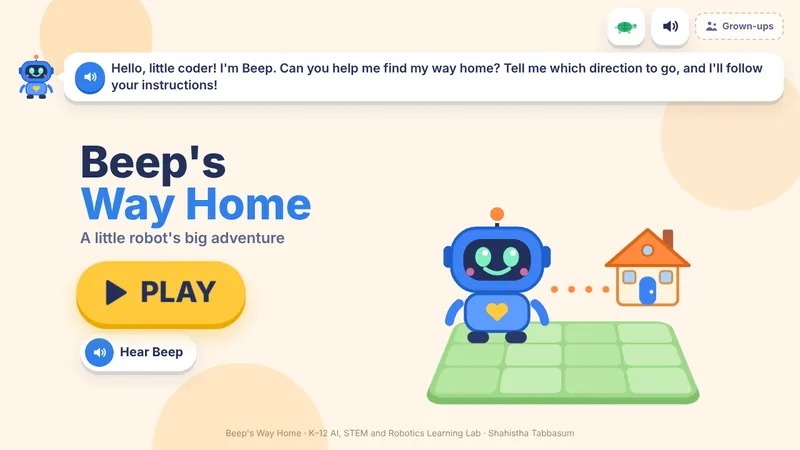
Screenshot of Beep’s Way Home showing Beep the robot and the Play button
Ages 5–7 · Grades K–2

Beep’s Way Home

Give a little robot step-by-step directions and help it find its way home.

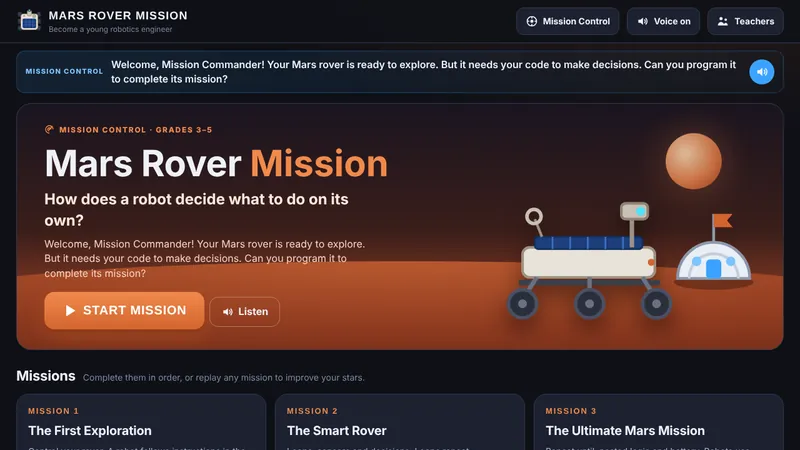
Screenshot of Mars Rover Mission showing the rover and the mission list
Ages 8–10 · Grades 3–5

Mars Rover Mission

Snap code blocks together and teach a rover to make its own decisions on Mars.

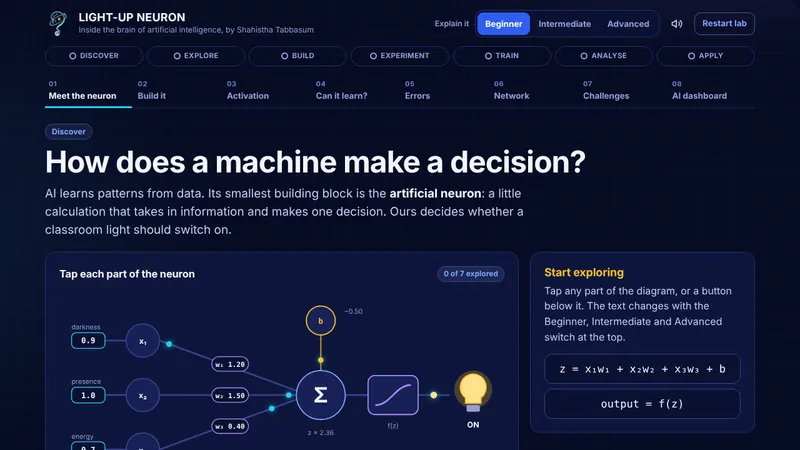
Screenshot of Light-Up Neuron showing a neuron diagram and a light bulb
Ages 11–14 · Grades 6–9

Light-Up Neuron

Build and train an artificial neuron, and see how a machine makes a decision.

Curriculum and teacher development

Curriculum design

AI Literacy: From Answers to Judgement

A six-session curriculum that starts with “how does this thing work?” and ends with students judging their own AI decisions.

Teacher workshop

Teachers as AI Evaluators

A 60-minute workshop where teachers play spot-the-mistake with an AI-made lesson, then fix it.

Quality & evaluation

A Learning Quality Scorecard

A practical way to tell a programme that was delivered from one where students actually learned.

I don’t start with the technology. I start with the child using it.

Whether I’m planning an AI lesson, writing a children’s workbook or chasing a research question, I keep asking the same thing: what is the learner actually thinking right now? That question drives everything I make.

Not just how to use the tool. How it actually works.

AI literacy, Python, computational thinking, robotics and teacher training, built around the questions learners should be asking, not just the buttons they need to press.

From big goals to lessons that actually run.

I connect curriculum thinking, teacher support and hands-on learning design. I’ve worked with schools and online programmes for learners across India, the Gulf and beyond. My portfolio shows how I frame a learning problem, plan age-appropriate pathways, check content quality and turn good ideas into lessons teachers can really use.

What should learning look like now that machines can answer almost anything?

No one has the full answer yet, and that’s the fun part. If you’re a researcher, educator, school or learning technology team thinking about this too, I’d love to talk.